About Charles White Whittlesey
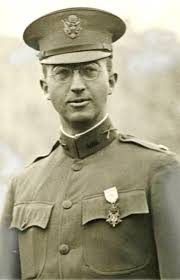
Lieutenant Colonel Charles White Whittlesey, United States Army, was awarded the Medal of Honor for extraordinary heroism while commanding the “Lost Battalion” during the Meuse-Argonne Offensive in World War I. Leading 554 soldiers into enemyheld terrain, his unit was surrounded, cut off from supplies and subjected to constant attack. EDIT ON BACK
After the war, Whittlesey struggled under the weight of combat and the burden of command. The loss of his men and the strain of what is now recognized as posttraumatic stress deeply affected him, and he ultimately died by suicide, reflecting the unseen wounds of war.
Whittlesey’s legacy endures as a symbol of courage and sacrifice. His Medal of Honor reflects unwavering leadership in battle, while his life beyond the war underscores the lasting cost of service and the importance of caring for those who return.